


The digital nomad lifestyle has shifted from a niche experiment to a global movement. Advances in cloud technology, remote collaboration tools, and flexible work policies have made it possible for professionals to work from nearly anywhere with a stable internet connection. According to research from MBO Partners, millions of professionals now identify as digital nomads, and the number continues to grow annually.
At its core, digital nomadism combines location independence with income-generating work conducted online. Yet while social media often showcases tropical backdrops and minimalist laptops, the reality is more nuanced. This guide explores the genuine advantages and challenges of the digital nomad lifestyle, grounded in credible research, global policy trends, and practical insights from remote work studies.
What Is the Digital Nomad Lifestyle?
A digital nomad is a professional who uses technology to work remotely while traveling or living in different locations. Unlike traditional expatriates who relocate long-term, digital nomads often move frequently—staying weeks or months in each destination.
The rise of distributed workforces has been widely documented by institutions such as Harvard Business Review, which highlights how remote work structures have transformed modern employment. Platforms like Upwork and other freelance marketplaces report significant growth in independent remote professionals, reflecting structural changes in the labor market.
Common professions among digital nomads include:
- Software development
- Digital marketing
- Content creation and writing
- Consulting and coaching
- Graphic design
- E-commerce management
- Remote corporate roles
However, this lifestyle is not restricted to freelancers. Many full-time employees now work remotely for companies that embrace distributed teams.
The Major Advantages of the Digital Nomad Lifestyle
1. Geographic Freedom and Lifestyle Design
One of the most compelling advantages is geographic flexibility. Professionals can choose environments aligned with their preferences—urban innovation hubs, quiet rural landscapes, or culturally rich cities.
Countries such as Portugal and Estonia have introduced digital nomad visa programs, acknowledging the economic contribution of location-independent professionals. These visa frameworks provide legal clarity, making long-term stays more feasible.
This flexibility enables individuals to design routines that optimize productivity. Access to diverse environments can enhance creativity, particularly in fields requiring innovation and design thinking.
2. Cost of Living Arbitrage
Another advantage is the ability to leverage geographic cost differences. Living in regions with lower housing and living expenses while earning income from higher-paying markets can increase savings rates.
Cost-of-living data from sources such as Numbeo shows dramatic differences between cities. For example, housing in Southeast Asia or parts of Eastern Europe may cost a fraction of similar accommodations in major Western cities.
However, cost arbitrage requires careful planning, including tax compliance and currency exchange considerations.
3. Enhanced Cultural Intelligence
Exposure to different cultures fosters adaptability, communication skills, and broader perspectives. The World Economic Forum frequently highlights adaptability and cross-cultural competence as critical future workplace skills.
Digital nomads who interact with international communities often develop:
- Greater tolerance for ambiguity
- Improved negotiation skills
- Expanded professional networks
- Deeper understanding of global markets
These attributes can significantly strengthen long-term career prospects.
4. Flexible Work Schedules
Many remote roles offer flexible hours, allowing professionals to structure their workdays around peak productivity periods.
Research published by Stanford University on remote work productivity suggests that flexible arrangements can improve output and job satisfaction when implemented effectively.
Flexible scheduling can support:
- Better work-life balance
- Reduced commuting stress
- More time for physical health and recreation
- Greater control over daily routines
Yet flexibility requires disciplined time management to avoid burnout.
5. Access to Global Networking Communities
Co-working spaces and digital nomad hubs have emerged in cities worldwide. Platforms such as Nomad List rank cities based on internet speed, safety, affordability, and community.
These ecosystems provide:
- Skill-sharing opportunities
- Startup collaborations
- Peer accountability
- Social interaction
Many nomads report that international professional networks often surpass the diversity found in traditional office settings.
The Challenges of the Digital Nomad Lifestyle
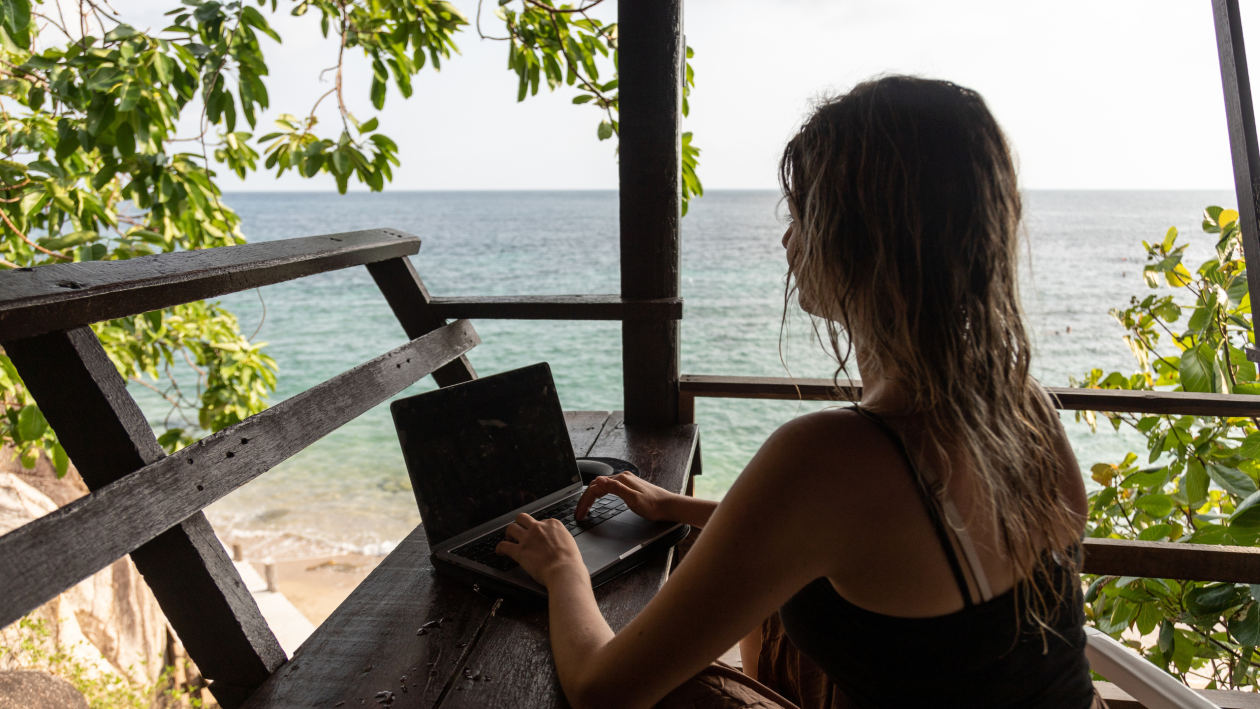
While the benefits are substantial, digital nomadism presents real obstacles that are often underestimated.
1. Income Instability
Freelancers and independent contractors may experience fluctuating income. Market demand, currency changes, and client acquisition cycles can affect financial predictability.
Financial experts recommend maintaining emergency funds covering 6–12 months of expenses. Resources from the U.S. Small Business Administration emphasize the importance of financial planning for independent professionals.
Stable income planning often includes:
- Diversified client portfolios
- Retainer agreements
- Long-term contracts
- Multiple revenue streams
Without these safeguards, financial stress can quickly overshadow lifestyle benefits.
2. Tax and Legal Complexities
Cross-border taxation remains one of the most complicated aspects of digital nomadism. Each country has distinct tax residency rules.
The OECD provides guidance on international tax frameworks, but practical compliance often requires professional consultation.
Challenges may include:
- Double taxation risks
- Visa restrictions
- Health insurance coverage gaps
- Local business registration requirements
Failing to address these issues can lead to penalties or legal complications.
3. Loneliness and Social Disconnection
Although social media portrays constant adventure, prolonged mobility can disrupt stable social relationships.
Studies from the American Psychological Association indicate that social isolation can negatively impact mental health and productivity.
Building intentional community through co-working spaces, interest groups, and long-term stays can mitigate this risk.
4. Productivity Disruptions
Frequent travel may disrupt routines. Unstable internet connections, time-zone differences, and inconsistent workspaces can reduce efficiency.
Reliable internet infrastructure is critical. Reports from Speedtest Global Index show major disparities in internet performance between regions, which should influence destination planning.
Time-zone mismatches may require late-night or early-morning meetings, affecting sleep patterns and well-being.
5. Healthcare and Insurance Risks
Healthcare access varies widely across countries. Comprehensive international health insurance is essential.
Organizations such as the World Health Organization emphasize global disparities in healthcare infrastructure. Digital nomads must evaluate:
- Emergency medical access
- Travel insurance coverage
- Local hospital quality
- Evacuation provisions
Ignoring healthcare planning can result in significant financial and personal risk.
Digital Nomad vs Traditional Remote Worker
Comparative Overview: Digital Nomad vs Traditional Remote Worker
| Feature | Digital Nomad | Traditional Remote Worker |
|---|---|---|
| Location Stability | Frequently changes countries or cities | Usually fixed home base |
| Visa Requirements | Often requires travel or digital nomad visas | Rarely requires cross-border visas |
| Cost Arbitrage | High potential | Limited |
| Community Stability | Variable | More stable |
| Administrative Complexity | High | Moderate |
| Travel Expenses | Ongoing | Minimal |
| Cultural Exposure | Extensive | Limited |
This comparison highlights that digital nomadism introduces greater flexibility but also higher complexity.
Financial Planning Strategies for Digital Nomads
Effective financial planning includes:
- Establishing multi-currency accounts
- Monitoring exchange rates
- Maintaining diversified income sources
- Creating retirement savings plans
- Budgeting for slow months
Tools such as international banking platforms and accounting software can simplify global transactions.
Maintaining detailed financial records also assists with tax compliance and long-term wealth building.
Building Sustainable Work Routines
Sustainability separates successful long-term digital nomads from short-term travelers.
Best practices include:
- Staying in each location for at least one to three months
- Prioritizing reliable internet access
- Maintaining structured daily schedules
- Setting clear work boundaries
- Scheduling rest periods
Establishing a stable rhythm prevents the lifestyle from becoming chaotic.
Psychological Resilience and Adaptability
Adaptability remains a defining trait of successful digital nomads. Constant transitions require emotional resilience.
Key coping mechanisms include:
- Structured goal setting
- Physical exercise routines
- Digital detox practices
- Scheduled social engagement
- Professional mental health support when needed
Long-term sustainability depends as much on psychological stability as on financial planning.
Legal and Visa Considerations
Many countries now offer remote work visa options with defined income thresholds and duration limits.
Key considerations when choosing destinations:
- Minimum income requirements
- Duration of permitted stay
- Renewal conditions
- Tax obligations
- Proof of remote employment
Consulting immigration professionals ensures compliance and reduces risk.
Technology Infrastructure Essentials
Digital nomads depend heavily on technology.
Core requirements include:
- High-performance laptop
- Cloud-based collaboration tools
- VPN for data security
- Encrypted password managers
- Backup storage systems
Cybersecurity is particularly critical when using public Wi-Fi networks.
Frequently Asked Questions (FAQ)
Is the digital nomad lifestyle suitable for everyone?
No. It suits individuals with high adaptability, self-discipline, and tolerance for uncertainty. Those who prefer stable routines may find frequent relocation stressful.
How much income is necessary to sustain this lifestyle?
Income requirements vary by destination. Many digital nomad visas require proof of stable monthly earnings. Budgeting tools and cost-of-living research help determine sustainability.
Are digital nomads legally allowed to work while traveling?
It depends on visa regulations. Some tourist visas prohibit work activities, even remote work. Always verify visa terms before relocating.
What careers are most compatible with digital nomadism?
Careers in technology, marketing, consulting, writing, design, and remote corporate roles are most adaptable.
How can loneliness be managed?
Staying longer in each location, joining co-working communities, participating in local events, and maintaining virtual contact with family and friends can reduce isolation.
Is health insurance mandatory?
While not always legally mandatory, comprehensive international coverage is strongly recommended due to unpredictable healthcare costs abroad.
The Long-Term Outlook of Digital Nomadism
Global labor markets continue evolving toward flexibility. Governments increasingly recognize remote workers as economic contributors, leading to structured visa pathways and regulatory clarity.
At the same time, economic volatility and regulatory shifts may shape how digital nomadism evolves over the next decade. Hybrid models—where professionals alternate between home bases and temporary stays abroad—may become more common.
Sustainable digital nomadism requires careful planning rather than impulsive relocation. Those who approach it strategically—balancing freedom with responsibility—are more likely to thrive.
Conclusion: Freedom with Responsibility
The digital nomad lifestyle offers unprecedented geographic freedom, cultural immersion, and professional flexibility. It can accelerate personal growth, global awareness, and financial optimization when approached thoughtfully.
However, it also introduces financial unpredictability, legal complexity, healthcare risks, and social challenges. Success depends on preparation, disciplined routines, informed visa compliance, and realistic expectations.
For professionals evaluating this path, the most important step is thorough research: understanding tax laws, visa requirements, healthcare systems, and cost structures before relocating. Building stable income streams and strong support systems significantly increases sustainability.
Digital nomadism is neither a perpetual vacation nor a guaranteed path to fulfillment. It is a professional framework built on mobility, autonomy, and accountability. When carefully designed, it can provide a balanced blend of adventure and career continuity in an increasingly borderless world.