

Traveling for the first time is equal parts exciting and overwhelming. Between booking flights, packing bags, organizing documents, and figuring out what’s actually necessary, it’s easy to miss something important. A forgotten passport, expired visa, or overlooked insurance policy can turn a dream trip into a stressful experience.
This comprehensive travel checklist is designed to guide first-time travelers through every stage of preparation—from early planning to arrival at the destination—so nothing essential gets left behind. Every recommendation is grounded in credible travel guidance and real-world best practices used by experienced travelers and global authorities.
Whether traveling domestically or internationally, this guide ensures confidence, preparedness, and peace of mind.
Travel Documents & Identification: Your Most Important Essentials

Before thinking about clothes or gadgets, focus on documentation. Without the correct paperwork, travel may not even begin.
Essential Documents Checklist
- Valid passport (with at least 6 months validity for many countries)
- Visa (if required)
- Government-issued ID
- Flight tickets (digital and printed copies)
- Hotel confirmations
- Travel insurance documents
- Emergency contact information
- Vaccination certificates (if required)
For passport validity rules and entry requirements, refer to official government travel pages such as the U.S. Department of State or the UK Foreign Office, which provide up-to-date country-specific guidelines.
Travel insurance is strongly recommended, especially for international trips. Medical emergencies abroad can be costly. The World Health Organization provides health-related travel updates, and providers like Allianz Travel Insurance outline coverage options for cancellations, lost baggage, and emergencies.
Pro Tip: Store digital copies of important documents securely in cloud storage and keep printed backups in a separate bag.
Money Matters: Cards, Cash & Financial Safety
Financial preparation prevents common travel disruptions.
What to Prepare
- Credit/debit cards (inform your bank before travel)
- Small amount of local currency
- Backup payment method
- Travel budget breakdown
- International transaction fee awareness
Financial institutions often block unfamiliar international transactions. Most banks allow travel notifications via mobile apps.
For currency comparisons and exchange insights, platforms such as XE Currency provide real-time exchange rates.
Avoid carrying excessive cash. Use secure ATMs and keep cards stored separately.
Packing Smart: Luggage & Clothing Essentials

Packing efficiently is a skill that improves with experience. First-time travelers often overpack.
Luggage Checklist
Clothing
- Weather-appropriate outfits
- Undergarments and sleepwear
- Comfortable walking shoes
- Lightweight jacket or sweater
- Swimwear (if applicable)
Toiletries
- Toothbrush and toothpaste
- Travel-sized shampoo and soap
- Deodorant
- Sunscreen
- Personal hygiene products
Extras
- Sunglasses
- Hat
- Travel laundry bag
Before packing, check baggage rules through your airline. For example, airlines such as Emirates and other carriers publish weight and cabin restrictions online.
Rolling clothes and using packing cubes can reduce space usage and improve organization.
Technology & Gadgets: Stay Connected

Technology simplifies navigation and communication.
Tech Essentials
- Smartphone
- Chargers
- Power bank
- Universal travel adapter
- Headphones
- Camera (optional)
Different countries use different plug types. The International Electrotechnical Commission provides standards for global plug types and voltages.
Download offline maps via services like Google Maps before departure. This ensures navigation without internet access.
Health & Safety Preparation
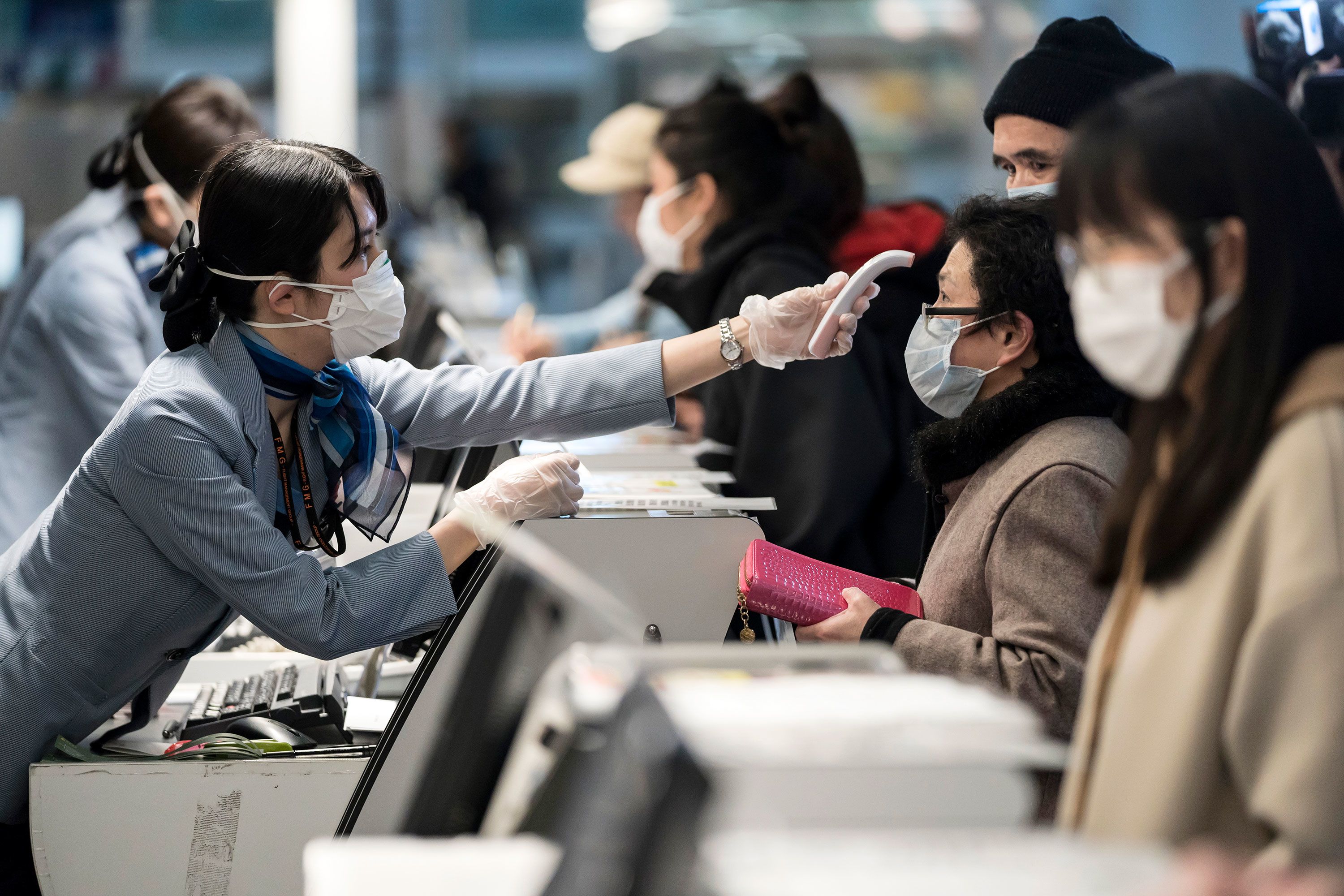
Health precautions vary depending on destination.
Health Checklist
- Prescription medications (with copies of prescriptions)
- Basic first aid kit
- Hand sanitizer
- Reusable water bottle
- Required vaccinations
Review vaccination recommendations through official health sources like the Centers for Disease Control and Prevention.
First-time travelers should also research local emergency numbers in their destination country.
Pre-Departure Checklist: The Final 48 Hours
Preparation doesn’t end with packing.
48 Hours Before Travel
- Check in online
- Confirm airport transfer
- Reconfirm hotel booking
- Charge all devices
- Download boarding passes
- Monitor weather forecast
Arrive at the airport early—typically 2–3 hours before international flights.
According to guidance from the International Air Transport Association, arriving early reduces stress and allows time for security and documentation checks.
Arrival Checklist: First Steps in a New Country

Once landed, priorities shift to navigation and safety.
Upon Arrival
- Clear immigration and customs
- Collect luggage
- Confirm transportation
- Exchange minimal currency if needed
- Activate local SIM or roaming
Many airports provide official transport desks to avoid scams. Verify authorized taxi services before boarding.
Comparison Table: Domestic vs International Travel Checklist
Key Differences First-Time Travelers Should Know
| Category | Domestic Travel | International Travel |
|---|---|---|
| ID Requirements | Government ID | Passport + Visa |
| Currency | Local currency | Foreign currency exchange |
| Insurance | Optional | Highly recommended |
| SIM Card | Local network works | Roaming or local SIM needed |
| Vaccinations | Rarely required | Destination dependent |
| Arrival Time | 1–2 hours early | 2–3 hours early |
| Immigration Process | Not required | Mandatory clearance |
Understanding these differences prevents confusion at airports and border control.
Smart Travel Planning Tips
Preparation extends beyond packing.
Research Before You Go
- Local customs and etiquette
- Emergency numbers
- Public transport system
- Weather conditions
- Cultural norms
Travel advisories from government websites provide safety updates.
Download translation apps if visiting a country with a different language.
Avoid overscheduling. Leave room for flexibility.
Common Mistakes First-Time Travelers Should Avoid
- Overpacking
- Ignoring visa rules
- Forgetting travel insurance
- Not checking passport validity
- Relying solely on one payment method
- Not informing banks before international spending
- Arriving late to the airport
Each of these mistakes is preventable with early preparation.
Frequently Asked Questions
1. How early should a first-time traveler start planning?
Ideally 2–3 months before international travel. This allows time for passport processing, visa approval, and price comparison.
2. Is travel insurance really necessary?
Yes, especially internationally. Medical treatment abroad can be expensive, and insurance protects against cancellations and emergencies.
3. How much cash should be carried?
Carry only enough for transportation and small purchases upon arrival. Use cards for most transactions.
4. What if important documents are lost?
Report immediately to local authorities and contact your country’s embassy or consulate.
5. Should everything be printed?
Keep digital and printed copies of essential documents.
6. How heavy should luggage be?
Follow airline-specific limits. Exceeding limits often results in fees.
Final Thoughts: Confidence Comes from Preparation
Traveling for the first time is a milestone experience. Preparation transforms uncertainty into confidence. From documentation and financial planning to packing and health precautions, every checklist item serves a purpose.
Organization is not about overplanning—it’s about minimizing avoidable stress. The difference between a smooth journey and a chaotic one often comes down to small details: a printed visa, an informed bank, a charged power bank, or a checked weather forecast.
A structured travel checklist empowers first-time travelers to focus on what truly matters—exploration, learning, cultural exchange, and meaningful experiences.
With proper planning, informed decisions, and awareness of international guidelines, travel becomes not just possible—but deeply rewarding.
Before the next trip, revisit this checklist, adjust it based on destination, and refine it with experience. Prepared travelers don’t just arrive at destinations—they arrive ready.