

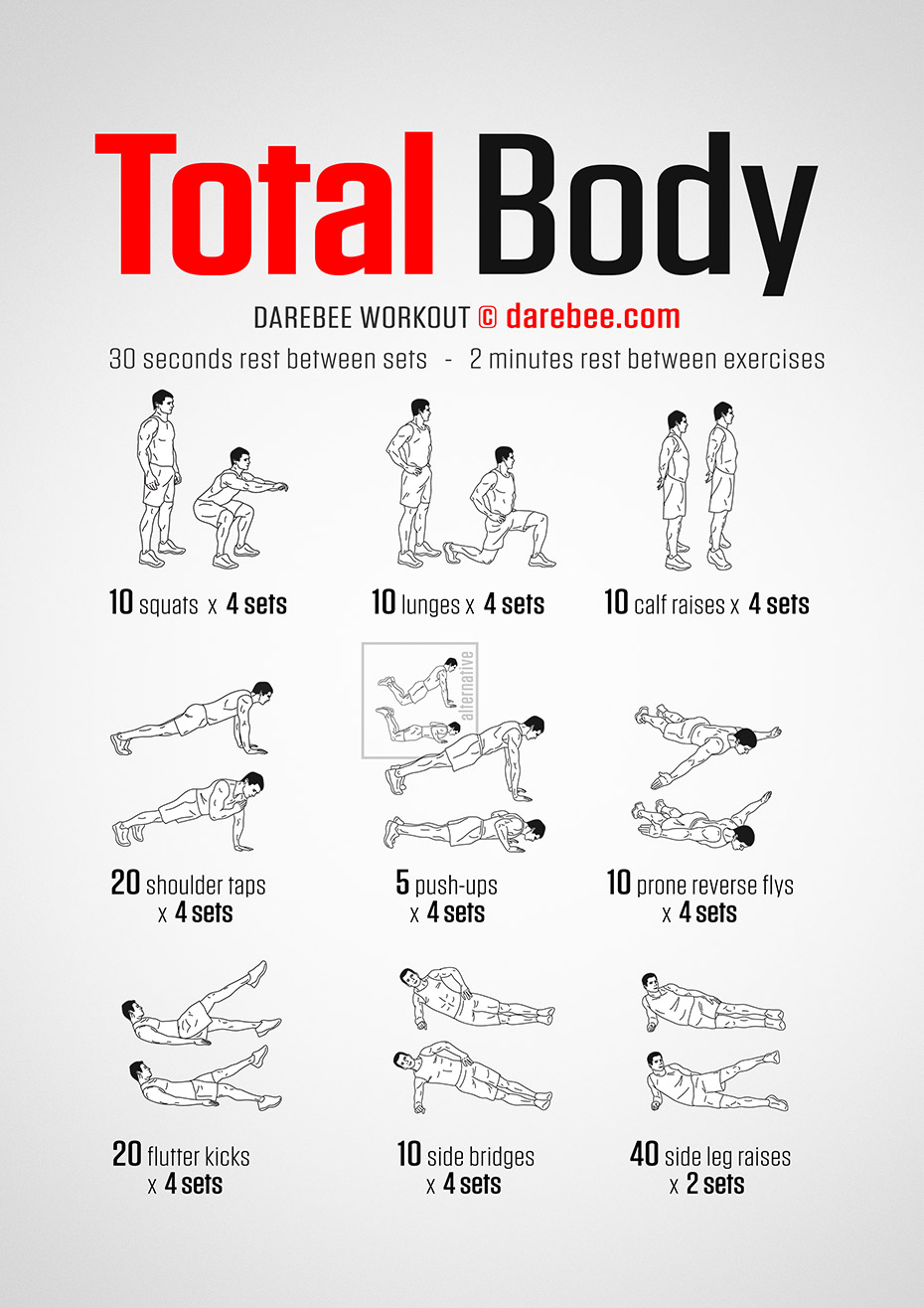
A complete, practical, and sustainable guide for building fitness at home
Starting a fitness journey can feel overwhelming, especially when gym memberships, machines, and complex programs dominate the conversation. Yet one of the most effective and sustainable ways to build strength, improve endurance, and support overall health begins at home—without any equipment at all.
A well-designed beginner home workout plan relies on bodyweight movements, consistency, and proper progression. According to guidance from the American Council on Exercise, structured bodyweight training can improve strength, mobility, and cardiovascular health while reducing injury risk for beginners. When combined with basic recovery habits and balanced nutrition, home workouts offer a reliable path toward long-term fitness.
This guide explains how to build a safe, effective, and realistic beginner home workout plan without gym equipment. It covers exercise selection, weekly structure, progression strategies, recovery principles, and common mistakes—providing everything needed to get started confidently.
Why Home Workouts Are Ideal for Beginners
Home workouts remove many of the barriers that stop people from starting or staying consistent. Research shared by Harvard Health Publishing highlights that convenience and routine are key predictors of long-term exercise adherence.
Key advantages include:
- Low barrier to entry: No equipment, travel, or membership fees required
- Reduced intimidation: Beginners can focus on form and pace without comparison
- Flexible scheduling: Workouts can fit around work, family, or study
- Scalable difficulty: Exercises can be modified as strength improves
Bodyweight training is also supported by Mayo Clinic as a safe starting point for beginners because it naturally limits excessive loading while still challenging major muscle groups.
Core Principles of a Beginner Home Workout Plan
An effective beginner program is built on a few foundational principles recognized across exercise science literature, including recommendations from the World Health Organization.
1. Consistency Over Intensity
Regular movement matters more than short bursts of extreme effort. Short, repeatable workouts build habits and reduce burnout.
2. Full-Body Balance
Each session should involve:
- Lower body
- Upper body
- Core
- Cardiovascular movement
Balanced routines reduce muscle imbalances and improve overall functional strength.
3. Progressive Overload (Without Equipment)
According to National Strength and Conditioning Association guidance, muscles adapt when demands gradually increase. At home, this can be done by:
- Increasing repetitions
- Adding extra sets
- Slowing down movement tempo
- Reducing rest time
4. Proper Recovery
The Cleveland Clinic emphasizes that rest days are essential for muscle repair and injury prevention, especially for beginners.
Essential Warm-Up for Beginners
A proper warm-up prepares the joints, raises body temperature, and improves workout performance. The British Heart Foundation recommends at least 5–10 minutes of light movement before exercise.
Beginner Warm-Up Routine (5–7 minutes):
- March in place – 1 minute
- Arm circles – 30 seconds each direction
- Hip circles – 30 seconds
- Bodyweight squats (slow) – 10 reps
- Torso twists – 30 seconds
- Ankle rotations – 20 seconds each foot
This sequence increases blood flow while improving mobility in commonly stiff areas.
The Beginner Home Workout Plan (No Equipment)
This plan is designed for 3 days per week, allowing rest and recovery between sessions. Guidance from Johns Hopkins Medicine suggests beginners benefit from at least one rest day between strength sessions.
Weekly Schedule Example
- Day 1: Full-body workout
- Day 2: Rest or light walking
- Day 3: Full-body workout
- Day 4: Rest or stretching
- Day 5: Full-body workout
- Days 6–7: Active recovery or rest
Full-Body Beginner Workout
Perform each exercise slowly and with control. Rest 60–90 seconds between sets.
Lower Body
- Bodyweight Squats – 2–3 sets of 10–12
Improves leg strength and joint stability, as supported by Verywell Fit exercise research. - Reverse Lunges – 2 sets of 8 reps per leg
Easier on the knees than forward lunges, according to Healthline.
Upper Body
- Wall Push-Ups – 2–3 sets of 8–10
A beginner-friendly variation recommended by ACE Exercise Library. - Incline Push-Ups (on a chair or bench) – 2 sets of 6–8
Core
- Knee Plank – 2 sets of 15–30 seconds
- Dead Bug – 2 sets of 8 reps per side
Core stabilization exercises are strongly supported by Physiopedia for beginners.
Cardio
- Marching in Place or Step Backs – 2–3 minutes
Light cardiovascular work aligns with CDC physical activity guidelines.
Comparison Table: Home Workouts vs Gym Workouts for Beginners
Home Workouts vs Gym-Based Training
| Feature | Home Workout (No Equipment) | Gym Workout |
|---|---|---|
| Cost | Free | Monthly membership |
| Accessibility | Anytime, anywhere | Location-dependent |
| Beginner Safety | High, controlled movements | Risk if machines used incorrectly |
| Progression | Reps, tempo, sets | Weight-based |
| Comfort Level | High privacy | Public environment |
| Time Efficiency | Very high | Travel required |
This comparison reflects fitness accessibility research summarized by Healthline and Harvard Health.
How to Progress Safely Without Equipment
Progression ensures continued results without increasing injury risk. According to Sports Medicine journal findings, gradual progression is more effective than sudden intensity jumps.
Beginner Progression Strategies:
- Add 2 reps per exercise each week
- Increase plank hold time by 5 seconds
- Slow down eccentric (lowering) movements
- Add an extra workout day after 4–6 weeks
Avoid increasing everything at once. Small adjustments produce better long-term adaptation.
Common Beginner Mistakes and How to Avoid Them
Skipping Rest Days
Muscle recovery is when adaptation occurs. Sleep Foundation research shows rest improves muscle repair and energy levels.
Poor Exercise Form
Rushing through movements reduces effectiveness. Trusted demonstrations from ACE and Mayo Clinic emphasize controlled motion.
Overtraining Too Soon
Early enthusiasm often leads to burnout. Gradual increases align with recommendations from Cleveland Clinic.
Ignoring Mobility
Stretching improves range of motion and reduces stiffness, as noted by Harvard Medical School.
Nutrition and Hydration Basics for Home Workouts
Exercise results depend heavily on nutrition. According to Academy of Nutrition and Dietetics:
- Hydration: Water supports joint lubrication and temperature control
- Protein: Supports muscle repair
- Complex carbohydrates: Provide workout energy
- Micronutrients: Support overall metabolic health
A balanced, whole-food-based diet supports beginner fitness goals without the need for supplements.
Frequently Asked Questions
How long should beginner home workouts last?
Most beginners benefit from 20–40 minutes per session, as supported by CDC activity recommendations.
Can muscle be built without weights?
Yes. Bodyweight training stimulates muscle growth when progression is applied, as outlined in Journal of Strength and Conditioning Research.
Is it safe to work out every day at home?
Light movement can be daily, but strength sessions should include rest days, according to Mayo Clinic.
When will results become noticeable?
Consistency often leads to improvements in strength and energy within 3–4 weeks, based on exercise adaptation studies published by NIH.
Are home workouts effective for weight management?
Combined with balanced nutrition, home workouts support healthy weight regulation, as noted by World Health Organization guidelines.
Long-Term Sustainability and Habit Building
Long-term fitness success depends on routine, not motivation. Behavioral research from Harvard Business Review shows that habits form through repetition and simplicity.
Strategies for sustainability:
- Schedule workouts at consistent times
- Keep sessions short and manageable
- Track progress monthly
- Focus on physical capability, not perfection
Home workouts integrate naturally into daily life, increasing the likelihood of long-term adherence.
Conclusion: Building Strength Starts at Home
A beginner home workout plan without gym equipment offers a practical, affordable, and highly effective way to build strength, improve mobility, and support overall health. By focusing on consistency, full-body balance, proper progression, and recovery, beginners can achieve meaningful results without stepping into a gym.
This approach aligns with guidance from leading health organizations and exercise science research, demonstrating that effective fitness does not require machines or memberships—only structured movement and commitment. Starting small, staying consistent, and respecting recovery lays the foundation for long-term physical well-being.
For beginners seeking a reliable, safe, and sustainable entry into fitness, home workouts remain one of the most accessible and evidence-supported paths forward.