

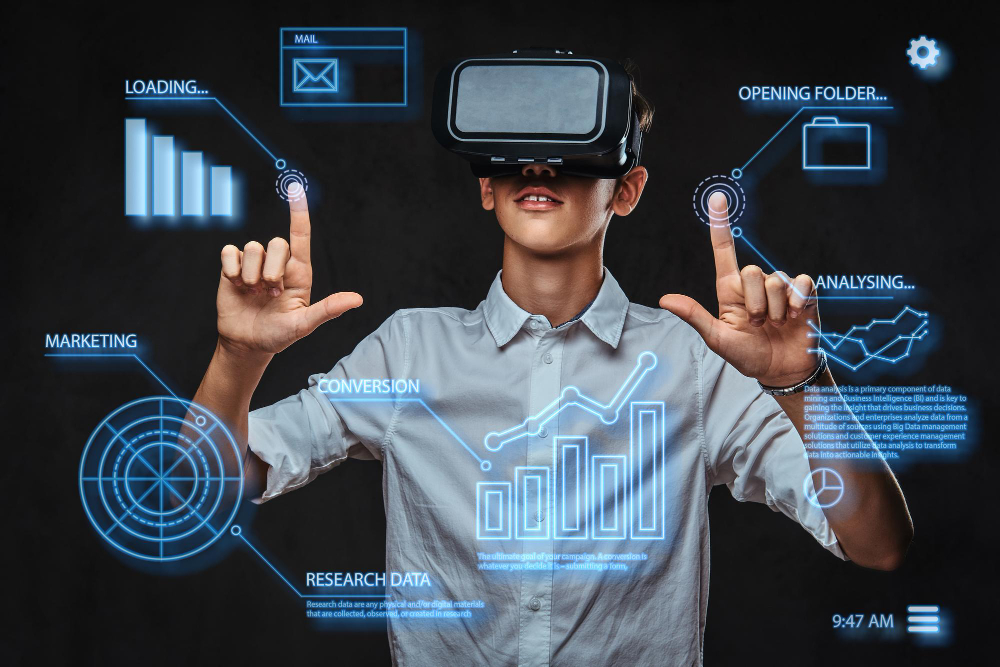
The trajectory of technological advancement has never been linear, yet the period spanning from 2026 to 2031 promises a convergence of capabilities that will fundamentally reshape industries, daily life, and global infrastructure. Unlike previous decades where innovation often occurred in silos—computing separate from biotechnology, or energy distinct from transportation—the next five years will be defined by the synthesis of these fields. This analysis moves beyond speculative science fiction to examine credible, data-driven projections grounded in current research trajectories, regulatory frameworks, and market dynamics. Understanding these shifts is not merely an academic exercise; it is a strategic necessity for organizations and individuals aiming to navigate the complexities of the coming decade.
The Maturation of Generative AI into Autonomous Agents
While the initial wave of generative artificial intelligence focused on content creation—producing text, images, and code—the next phase is characterized by the transition from passive tools to active autonomous agents. By 2027, AI systems are expected to evolve from responding to prompts to executing multi-step workflows with minimal human intervention. This shift relies on advancements in reasoning models and the integration of large language models with real-time data access and execution environments.
The distinction lies in agency. Current systems assist users in drafting an email or writing a function; future systems will be tasked with a goal, such as “optimize the supply chain for Q3,” and will independently query inventory databases, negotiate with vendor APIs, analyze logistics costs, and implement changes within pre-defined risk parameters. This evolution is heavily documented in research regarding agentic workflows, where the AI acts as a planner and executor rather than just a predictor. The implications for productivity are profound, particularly in sectors like software engineering, financial analysis, and customer support, where complex, repetitive cognitive tasks can be offloaded entirely.
However, this transition introduces significant challenges regarding oversight and alignment. As agents gain the ability to interact with external systems, the potential for unintended consequences increases. Consequently, the development of “guardrail” architectures—systems designed to monitor and restrict AI actions in real-time—has become a critical area of investment. Organizations like the National Institute of Standards and Technology (NIST) have already begun outlining frameworks for managing AI risk, emphasizing the need for robust testing before autonomous deployment. The next five years will see these frameworks transition from guidelines to mandatory compliance standards in regulated industries.
Furthermore, the computational demands of running autonomous agents will drive a restructuring of cloud infrastructure. Edge computing will play a pivotal role, allowing agents to process sensitive data locally on devices rather than sending everything to a central server, thereby reducing latency and enhancing privacy. This decentralization is essential for scaling agent networks without overwhelming centralized data centers or compromising user data security, a balance that tech giants are currently striving to achieve through hybrid cloud-edge architectures.
Quantum Computing: From Experimental Labs to Commercial Utility
For years, quantum computing remained the domain of theoretical physics and highly controlled laboratory environments. However, the period between 2026 and 2031 marks the anticipated crossover from experimental validation to commercial utility, often referred to as the era of “quantum advantage.” Unlike classical computers that process information in binary bits (0s and 1s), quantum computers utilize qubits, which can exist in multiple states simultaneously due to superposition and entanglement. This allows them to solve specific classes of problems exponentially faster than the most powerful supercomputers available today.
The immediate impact will not be the replacement of personal laptops but rather the transformation of backend industrial processes. Industries reliant on complex optimization problems stand to gain the most. In the pharmaceutical sector, quantum simulations will enable the modeling of molecular interactions with unprecedented accuracy, drastically reducing the time and cost required for drug discovery. Instead of synthesizing thousands of compounds physically, researchers can simulate their behavior at the quantum level to identify viable candidates. Leading institutions, such as those collaborating with the Department of Energy, are already prioritizing quantum applications for materials science and energy grid optimization.
Financial services are another primary beneficiary. Portfolio optimization, fraud detection, and high-frequency trading algorithms involve analyzing vast datasets with countless variables. Quantum algorithms can navigate these multidimensional spaces to find optimal solutions that classical systems might miss or take days to compute. Banks and hedge funds are currently investing heavily in quantum-ready cryptography and algorithm development to secure a first-mover advantage when hardware stability reaches the necessary threshold.
Despite the optimism, significant hurdles remain, primarily concerning error correction. Qubits are notoriously fragile and susceptible to environmental noise, leading to calculation errors. The next five years will focus intensely on developing logical qubits—groups of physical qubits working together to correct errors autonomously. Progress in this area is critical; without effective error correction, quantum computers cannot scale to the size needed for practical, widespread application. Reports from IBM Research and other industry leaders suggest that we are approaching the inflection point where error rates drop low enough to sustain meaningful calculations for extended periods.
The Evolution of Sustainable Energy and Smart Grids
The global imperative to decarbonize is driving a technological revolution in energy generation, storage, and distribution. Over the next half-decade, the focus will shift from simply adding renewable capacity to creating intelligent, resilient, and decentralized energy ecosystems. The intermittency of solar and wind power has long been a bottleneck, but advancements in battery chemistry and grid management software are poised to resolve these issues.
Solid-state batteries represent a major leap forward in energy storage. Unlike traditional lithium-ion batteries that use liquid electrolytes, solid-state variants use a solid material, offering higher energy density, faster charging times, and significantly reduced fire risks. This technology is critical for the widespread adoption of electric vehicles (EVs), enabling ranges that exceed 500 miles on a single charge and charging times comparable to filling a gas tank. Automotive manufacturers and energy firms are racing to bring these batteries to mass production, with pilot lines already operational in several countries. The International Energy Agency (IEA) highlights solid-state technology as a cornerstone for meeting global net-zero targets by 2030.
Parallel to storage improvements is the rise of the “smart grid.” Future energy networks will rely on artificial intelligence to balance supply and demand in real-time. As households increasingly generate their own power via rooftop solar and store it in home batteries, the grid becomes a bidirectional network. AI-driven systems will automatically trade excess energy between neighbors or sell it back to the main grid during peak demand, optimizing costs and stability without human intervention. This concept of virtual power plants aggregates thousands of distributed energy resources to act as a single, reliable power station.
Hydrogen energy is also expected to mature beyond niche applications. Green hydrogen, produced by using renewable electricity to split water molecules, offers a clean fuel source for heavy industries like steel manufacturing and long-haul shipping, which are difficult to electrify directly. Governments worldwide are implementing subsidies and infrastructure plans to lower the cost of green hydrogen production. The World Economic Forum has identified hydrogen hubs as critical infrastructure projects that will define the energy landscape of the late 2020s, facilitating the transition away from fossil fuels in hard-to-abate sectors.
Biotechnology and the Era of Personalized Medicine
The convergence of artificial intelligence and biotechnology is ushering in an era where medicine transitions from a reactive model to a proactive and highly personalized one. The sequencing of the human genome was once a monumental, costly task; today, it is rapid and affordable. In the next five years, the integration of genomic data with AI-driven diagnostics will allow for treatments tailored to an individual’s specific genetic makeup, lifestyle, and environmental factors.
CRISPR and other gene-editing technologies are moving from experimental trials to approved therapies for a range of genetic disorders. The precision of these tools continues to improve, reducing off-target effects and increasing safety. We are likely to see approvals for treatments addressing sickle cell disease, certain forms of blindness, and muscular dystrophy becoming more commonplace. Regulatory bodies like the Food and Drug Administration (FDA) are adapting their approval pathways to accommodate these novel therapies, balancing the need for rigorous safety testing with the urgency of providing cures for previously untreatable conditions.
Beyond gene editing, AI is revolutionizing drug discovery and diagnostic imaging. Machine learning models can now predict protein structures with near-experimental accuracy, a capability that accelerates the identification of new drug targets. This reduces the timeline for bringing new medications to market from over a decade to potentially just a few years for specific applications. In diagnostics, AI algorithms are demonstrating superior performance in detecting early-stage cancers from medical imaging, often identifying anomalies that human radiologists might overlook. This early detection capability is crucial for improving survival rates and reducing the overall cost of healthcare.
Wearable health technology will also evolve from simple fitness trackers to continuous medical monitoring devices. Future wearables will non-invasively monitor glucose levels, detect arrhythmias, analyze sweat composition for hydration and electrolyte balance, and even screen for early signs of neurodegenerative diseases through voice pattern analysis or gait monitoring. This continuous stream of health data, securely managed and analyzed by AI, will enable physicians to intervene before a condition becomes acute, shifting the healthcare paradigm towards prevention. The Centers for Disease Control and Prevention (CDC) emphasizes the potential of digital health tools to improve population health outcomes by enabling earlier interventions and better chronic disease management.
The Expansion of Immersive Realities and Spatial Computing
The concept of the “metaverse” has undergone significant recalibration, moving away from hype-driven virtual worlds toward practical applications of spatial computing and augmented reality (AR). Over the next five years, the hardware required to access these experiences will become lighter, more powerful, and socially acceptable, resembling standard eyewear rather than bulky headsets. This hardware evolution is the key to unlocking widespread adoption in enterprise and consumer markets.
In the industrial sector, AR is transforming maintenance, training, and design. Technicians wearing smart glasses can overlay schematic diagrams onto physical machinery, receive real-time guidance from remote experts, and visualize internal components without disassembly. This reduces downtime and error rates significantly. Manufacturing giants are already deploying these systems to upskill workforces and streamline complex assembly processes. The efficiency gains are measurable, with studies showing substantial reductions in training time and improvements in first-time fix rates.
Consumer applications are equally transformative, though they focus more on enhancing daily interactions with information. Spatial computing allows digital content to persist in the physical world. Navigation arrows can appear painted on the sidewalk, historical information can float above landmarks, and virtual screens can be placed anywhere in a room for work or entertainment. This blending of digital and physical realms changes how information is consumed, making it contextual and immediate rather than confined to rectangular screens.
The development of haptic feedback technology is adding a tactile dimension to these immersive experiences. Advanced gloves and suits can simulate the sensation of touch, texture, and resistance, which is vital for applications ranging from remote surgery to virtual retail try-ons. As these technologies mature, the line between physical and digital presence will blur, creating new avenues for collaboration and social interaction. Organizations like IEEE are actively developing standards for interoperability and safety in spatial computing to ensure a cohesive and secure user experience across different platforms and devices.
Comparative Analysis of Emerging Technologies (2026–2031)
To provide a clear overview of how these technologies compare in terms of maturity, impact, and adoption timelines, the following table outlines key metrics for the major sectors discussed.
| Technology Sector | Primary Driver | Maturity Level (2026) | Expected Peak Impact | Key Challenge | Primary Beneficiaries |
|---|---|---|---|---|---|
| Autonomous AI Agents | Reasoning Models & API Integration | Early Adoption | 2028–2029 | Safety & Alignment | Enterprise Software, Customer Service |
| Quantum Computing | Error Correction & Logical Qubits | Pilot/Experimental | 2030–2031 | Hardware Stability | Pharma, Finance, Materials Science |
| Solid-State Batteries | Energy Density & Safety Needs | Pre-Commercial | 2027–2028 | Manufacturing Scale | EV Manufacturers, Grid Storage |
| Gene Editing (CRISPR) | Precision & Delivery Mechanisms | Clinical Trials/Early Approval | 2026–2027 | Ethical Regulation | Biotech, Healthcare Providers |
| Spatial Computing (AR) | Miniaturization & Optics | Growing Adoption | 2028–2029 | Battery Life & Form Factor | Industrial Maintenance, Retail |
This comparison illustrates that while all sectors are advancing rapidly, their readiness for mass deployment varies. AI agents and gene editing are closer to immediate widespread impact, whereas quantum computing and solid-state batteries require further breakthroughs in physical engineering before they can fully transform their respective industries. Understanding these timelines allows stakeholders to allocate resources effectively, focusing on short-term integration for mature technologies while maintaining long-term R&D investments for emerging fields.
Strategic Implications and Actionable Insights
Navigating the technological landscape of the next five years requires a proactive strategy rather than a reactive one. For business leaders, the priority must be building organizational agility. The speed at which these technologies evolve means that long-term rigid plans are likely to become obsolete quickly. Instead, companies should adopt modular strategies that allow for the rapid integration of new tools as they become viable. This involves investing in digital infrastructure that is flexible and scalable, capable of supporting both current operations and future innovations.
Workforce development is equally critical. The rise of autonomous agents and advanced automation does not necessarily mean the elimination of jobs, but it does necessitate a significant shift in the skills required. The demand for roles that involve managing, auditing, and collaborating with AI systems will surge. Educational institutions and corporate training programs must pivot to emphasize critical thinking, complex problem-solving, and digital literacy. The ability to interpret AI outputs, understand their limitations, and make ethical judgments based on that information will be a defining skill for the modern workforce. Resources from the World Bank on future skills highlight the urgent need for reskilling initiatives to prevent widening economic disparities caused by technological displacement.
Data governance and cybersecurity must also be elevated to top strategic priorities. As systems become more interconnected and autonomous, the attack surface for cyber threats expands exponentially. The integration of quantum computing, while beneficial for optimization, also poses a threat to current encryption standards. Organizations must begin preparing for “post-quantum cryptography” now to ensure their data remains secure in the future. Implementing robust data privacy frameworks is not just a legal requirement but a competitive advantage, as consumers and partners increasingly prioritize trust and transparency.
Furthermore, collaboration across sectors will be essential. The complexity of challenges like climate change and public health cannot be solved by technology alone or by single entities in isolation. Public-private partnerships will play a crucial role in funding infrastructure, setting standards, and ensuring equitable access to technological benefits. Governments, academia, and industry must work together to create ecosystems where innovation can thrive while safeguarding societal interests.
Frequently Asked Questions
Q1: Will autonomous AI agents replace human workers entirely in the next five years?
No, total replacement is unlikely within this timeframe. While autonomous agents will handle routine, repetitive, and data-intensive tasks, human oversight remains essential for complex decision-making, ethical judgment, and creative problem-solving. The trend points toward augmentation, where humans and AI collaborate, with humans focusing on high-level strategy and relationship management while agents execute operational tasks.
Q2: When will quantum computers become available for general consumer use?
It is improbable that quantum computers will be available for general consumer use within the next five years. Due to the extreme cooling requirements and sensitivity to environmental noise, quantum systems will likely remain housed in specialized data centers and accessed via the cloud. Their application will be limited to solving specific, high-value problems for enterprises and research institutions rather than personal computing tasks.
Q3: How will solid-state batteries impact the cost of electric vehicles?
Initially, the cost of EVs equipped with solid-state batteries may be higher due to new manufacturing processes and limited supply. However, as production scales and technology matures, the increased energy density and longer lifespan of these batteries are expected to lower the total cost of ownership. Eventually, this could lead to EVs reaching price parity with internal combustion engine vehicles sooner than previously projected, potentially by the end of the decade.
Q4: Is gene editing safe for widespread human application?
Safety is the primary focus of current regulatory frameworks. While early approvals for specific genetic disorders demonstrate promise, widespread application requires rigorous long-term data to rule out off-target effects and unintended genetic consequences. The next five years will see a cautious, step-by-step expansion of approved therapies, heavily monitored by agencies like the FDA and EMA, ensuring that safety protocols evolve alongside the technology.
Q5: What are the biggest barriers to the adoption of augmented reality in the workplace?
The main barriers include hardware limitations such as battery life, field of view, and device weight, as well as the cost of deployment. Additionally, there is a need for robust software ecosystems tailored to specific industrial use cases. As hardware improves and becomes more affordable, and as successful pilot programs demonstrate clear ROI, adoption rates are expected to accelerate significantly in sectors like manufacturing, logistics, and healthcare.
Q6: How can small businesses prepare for these technological shifts?
Small businesses should focus on adopting cloud-based AI tools that offer immediate productivity gains without requiring massive infrastructure investments. Staying informed about industry-specific trends, investing in employee digital literacy, and maintaining flexible IT systems are practical steps. Partnering with larger tech providers or utilizing platform-as-a-service models can also provide access to advanced capabilities like predictive analytics and automated customer service.
Q7: Will the energy grid be able to support the increased demand from EVs and AI data centers?
Upgrading the grid is a critical priority. While current infrastructure faces strain, the deployment of smart grid technologies, distributed energy resources, and advanced storage solutions is designed specifically to manage this increased load. The transition to a decentralized grid model, where energy is generated and stored locally, will be key to maintaining stability and preventing outages as demand surges.
Q8: What role does regulation play in the development of these technologies?
Regulation acts as both a guardrail and a catalyst. Clear regulatory frameworks provide the certainty needed for long-term investment while ensuring safety, privacy, and ethical standards. In areas like AI and biotechnology, regulations are evolving to keep pace with innovation, aiming to mitigate risks without stifling progress. Compliance with these emerging standards will be a critical factor for market entry and sustained operation.
Conclusion
The technological landscape of the next five years promises to be one of the most dynamic periods in human history. The convergence of autonomous artificial intelligence, quantum computing, sustainable energy solutions, advanced biotechnology, and spatial computing is not merely a collection of isolated advancements but a synergistic force that will redefine the boundaries of what is possible. From the way we heal the sick and power our cities to how we work and interact with information, every facet of society is poised for transformation.
However, realizing the full potential of these technologies requires more than just technical innovation. It demands a thoughtful approach to integration, governance, and ethics. The challenges of ensuring safety, equity, and sustainability are as significant as the engineering hurdles themselves. Success will depend on the ability of leaders, policymakers, and communities to collaborate, adapt, and steer these powerful tools toward outcomes that benefit humanity as a whole.
For organizations and individuals, the path forward is clear: embrace continuous learning, foster agility, and engage proactively with these emerging trends. The future is not something that simply happens; it is built through the decisions and actions taken today. By understanding the trajectory of these technologies and preparing strategically, it is possible to not only navigate the changes ahead but to shape them, ensuring a future that is innovative, inclusive, and resilient. The horizon of innovation is bright, and the opportunities for those prepared to seize them are limitless.