

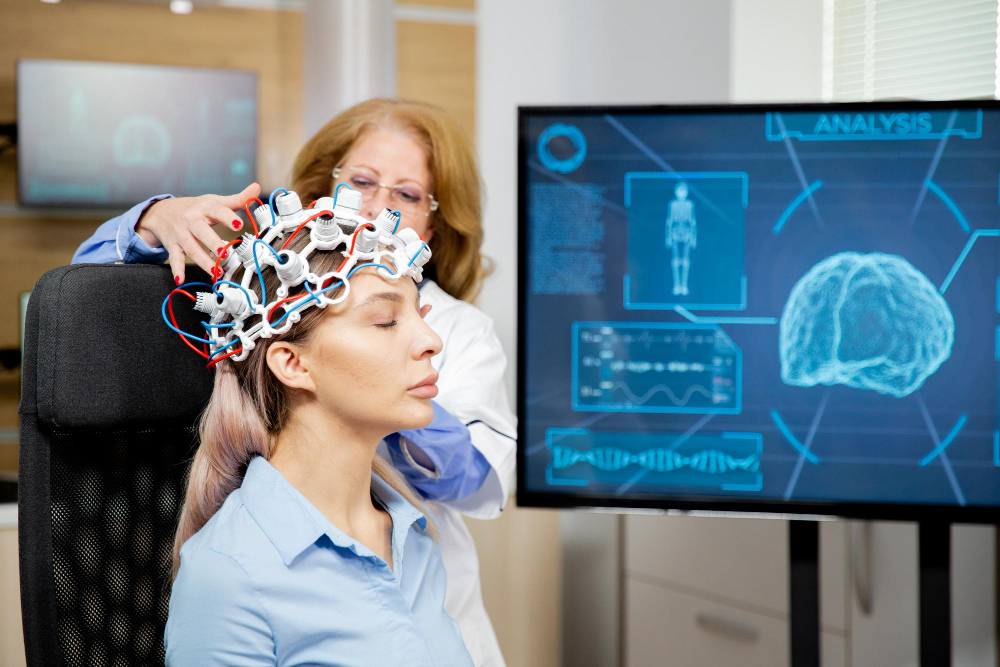
The human brain is often compared to a muscle, yet this analogy only scratches the surface of its complexity. Unlike a bicep that grows through repetitive lifting, the brain expands its capacity through neuroplasticity—the ability to reorganize itself by forming new neural connections throughout life. For decades, the prevailing belief was that memory decline was an inevitable consequence of aging, a slow erosion of cognitive faculties that could not be halted. Modern neuroscience has dismantled this fatalistic view. Research now confirms that specific, scientifically validated techniques can enhance memory retention, recall speed, and overall cognitive resilience without pharmaceutical intervention.
Understanding how to leverage these natural mechanisms requires a shift from passive consumption of information to active engagement with one’s own cognitive processes. The strategies discussed here are not mere “life hacks” but are rooted in rigorous physiological and psychological research. They address the fundamental pillars of memory: encoding, storage, and retrieval. By aligning daily habits with the brain’s biological rhythms and structural needs, individuals can significantly optimize their mental performance.
The Biological Foundation of Memory Enhancement
To improve memory naturally, one must first understand the biological substrate upon which memory rests. Memory is not stored in a single location; it is a distributed network involving the hippocampus, the prefrontal cortex, and various sensory regions. The process begins with encoding, where sensory input is transformed into a construct that can be stored. This phase is highly dependent on attention and emotional salience. Without focused attention, the hippocampus fails to consolidate information into long-term storage.
The concept of neurogenesis, the birth of new neurons, was once thought impossible in adult humans. However, seminal studies have demonstrated that the adult hippocampus retains the capacity to generate new neurons, particularly in the dentate gyrus. This discovery is pivotal because it suggests that lifestyle factors can directly influence the hardware of the brain. Factors such as aerobic exercise, dietary intake, and sleep quality have been shown to upregulate Brain-Derived Neurotrophic Factor (BDNF), a protein that supports the survival of existing neurons and encourages the growth and differentiation of new neurons and synapses.
The role of BDNF cannot be overstated in the context of memory improvement. It acts as a fertilizer for the brain, facilitating synaptic plasticity, which is the ability of synapses to strengthen or weaken over time in response to increases or decreases in their activity. When an individual engages in activities that boost BDNF, they are essentially creating a more fertile environment for memory formation. This biological reality underpins why certain lifestyle changes yield tangible improvements in cognitive function. The National Institute on Aging provides extensive resources detailing how these biological mechanisms interact with aging and lifestyle choices, offering a robust framework for understanding cognitive health.
Furthermore, the distinction between short-term working memory and long-term episodic memory is crucial when applying improvement techniques. Working memory acts as a mental scratchpad, holding information temporarily for processing, while long-term memory involves the consolidation of information for indefinite storage. Techniques that improve one may not necessarily improve the other, necessitating a multi-faceted approach. For instance, reducing cognitive load can enhance working memory performance immediately, whereas spaced repetition is required to move information into long-term storage. The American Psychological Association offers comprehensive insights into the differences between these memory systems and the specific interventions best suited for each.
Nutritional Neuroscience: Fueling the Hippocampus
The brain consumes approximately 20% of the body’s energy despite accounting for only 2% of its weight. Consequently, the quality of fuel provided to the brain directly impacts its functional output. The field of nutritional neuroscience has emerged as a critical area of study, revealing profound links between diet and cognitive performance. The Mediterranean-DASH Intervention for Neurodegenerative Delay (MIND) diet is one of the most rigorously studied dietary patterns regarding brain health. This hybrid approach combines elements of the Mediterranean and DASH diets, emphasizing leafy green vegetables, berries, nuts, whole grains, fish, and olive oil.
Berries, particularly blueberries and strawberries, are rich in flavonoids, specifically anthocyanins. These compounds have been shown to cross the blood-brain barrier and accumulate in areas of the brain responsible for learning and memory, such as the hippocampus. Research indicates that flavonoids can improve communication between brain cells, reduce inflammation, and enhance plasticity. A longitudinal study published in the Annals of Neurology suggested that higher intake of berries was associated with a slower rate of cognitive decline in older adults. The mechanism appears to involve the modulation of signaling pathways that control cell survival and synaptic transmission.
Omega-3 fatty acids, particularly docosahexaenoic acid (DHA), are another cornerstone of a memory-supportive diet. DHA is a structural component of neuronal cell membranes and is essential for maintaining membrane fluidity, which facilitates efficient signal transmission. Low levels of DHA have been correlated with reduced brain volume and impaired cognitive function. Fatty fish like salmon, mackerel, and sardines are primary sources, but for those following plant-based diets, algae-based supplements provide a viable alternative. The Mayo Clinic outlines the critical role of omega-3s in brain health and provides guidelines for incorporating them into a daily regimen.
Hydration is often overlooked yet remains a fundamental variable in cognitive performance. Even mild dehydration, defined as a fluid loss of 1-2% of body weight, can impair attention, memory, and psychomotor skills. Water is essential for the production of neurotransmitters and hormones in the brain, and it facilitates the removal of toxins through the glymphatic system. Chronic dehydration can lead to brain shrinkage, temporarily affecting cognitive capabilities. Ensuring adequate fluid intake is a simple yet powerful strategy for maintaining optimal memory function. The Centers for Disease Control and Prevention emphasizes the importance of hydration for overall health, including cognitive maintenance.
Antioxidants play a vital role in protecting the brain from oxidative stress, a condition where free radicals overwhelm the body’s antioxidant defenses, leading to cellular damage. The brain is particularly susceptible to oxidative stress due to its high oxygen consumption and lipid content. Foods rich in vitamins C and E, such as citrus fruits, almonds, and sunflower seeds, help neutralize free radicals. Additionally, curcumin, the active compound in turmeric, has demonstrated potent anti-inflammatory and antioxidant properties, with studies suggesting it may boost BDNF levels and clear amyloid plaques associated with memory loss.
The Critical Role of Sleep in Memory Consolidation
Sleep is not merely a period of rest; it is an active state during which the brain performs essential maintenance and consolidation tasks. The relationship between sleep and memory is bidirectional: poor sleep impairs memory formation, and memory consolidation processes occur primarily during specific stages of sleep. During slow-wave sleep (deep sleep), the brain replays neural activity patterns experienced during wakefulness, transferring information from the hippocampus to the neocortex for long-term storage. This process, known as systems consolidation, is vital for stabilizing memories.
Rapid Eye Movement (REM) sleep also plays a distinct role, particularly in the consolidation of procedural memory and emotional regulation. Studies using functional MRI have shown that sleep deprivation significantly reduces activity in the hippocampus, making it difficult to encode new information. Furthermore, lack of sleep leads to the accumulation of beta-amyloid, a toxic protein associated with Alzheimer’s disease, as the glymphatic system—which clears metabolic waste from the brain—is most active during sleep. Prioritizing sleep hygiene is therefore not optional for memory improvement; it is a biological necessity.
The architecture of sleep cycles changes with age, often resulting in less deep sleep and more fragmented rest. However, the need for consolidation remains constant. Strategies to improve sleep quality include maintaining a consistent sleep schedule, optimizing the sleep environment for darkness and coolness, and limiting exposure to blue light before bedtime. Blue light emitted by screens suppresses melatonin production, delaying sleep onset and reducing sleep quality. The National Sleep Foundation provides evidence-based recommendations for improving sleep hygiene to support cognitive health.
Napping, when done correctly, can also serve as a tool for memory enhancement. Short naps of 20 to 30 minutes can improve alertness and performance without causing sleep inertia, the grogginess felt after waking from deep sleep. Some research suggests that a nap containing slow-wave sleep can boost declarative memory performance. However, long or irregular napping can interfere with nighttime sleep, creating a counterproductive cycle. The timing and duration of naps must be strategically managed to reap cognitive benefits.
Cognitive Training and Strategic Encoding Techniques
While biology sets the stage, cognitive strategies determine the efficiency of memory performance. Mnemonics, or memory aids, are ancient techniques that remain highly effective in modern contexts. The Method of Loci, also known as the memory palace, involves visualizing a familiar physical space and placing items to be remembered at specific locations within that space. This technique leverages the brain’s superior spatial memory capabilities to store non-spatial information. Functional imaging studies have shown that expert memorizers use this method to activate brain regions associated with spatial navigation, effectively hijacking existing neural networks to enhance recall.
Spaced repetition is another scientifically robust method for improving long-term retention. Based on the “forgetting curve” proposed by Hermann Ebbinghaus, this technique involves reviewing information at increasing intervals. Each review strengthens the neural trace, making the memory more resistant to decay. Digital flashcard systems often utilize algorithms to optimize these intervals, ensuring that information is reviewed just before it is likely to be forgotten. This approach is far more efficient than massed practice, or cramming, which often leads to rapid forgetting.
Elaborative rehearsal is a deeper form of encoding that involves connecting new information to existing knowledge. Rather than rote repetition, this method requires the learner to analyze the meaning of the information and relate it to personal experiences or established concepts. For example, when learning a new medical term, a student might break down its etymology and connect it to similar terms they already know. This creates a richer network of associations, providing multiple retrieval paths. The Harvard Health Publishing frequently discusses the efficacy of active learning strategies versus passive review in maintaining cognitive sharpness.
Interleaving is a learning technique that involves mixing different topics or forms of practice within a single session. While it may feel more difficult than blocking (practicing one skill repeatedly), interleaving forces the brain to constantly retrieve and differentiate between concepts, strengthening memory traces. This method is particularly effective for problem-solving and distinguishing between similar concepts. By introducing desirable difficulties, interleaving enhances the brain’s ability to apply knowledge flexibly in new contexts.
Chunking is a fundamental strategy for overcoming the limitations of working memory. George Miller’s classic research suggested that working memory can hold approximately seven items, plus or minus two. Chunking involves grouping individual pieces of information into larger, meaningful units. For instance, remembering a string of ten digits is difficult, but grouping them into three chunks (like a phone number) makes them manageable. This technique effectively expands the capacity of working memory by leveraging long-term memory structures to organize incoming data.
Physical Activity as a Catalyst for Neuroplasticity
The link between physical exercise and brain health is one of the most well-documented findings in neuroscience. Aerobic exercise, in particular, has been shown to increase the volume of the hippocampus and improve spatial memory. The mechanism involves increased blood flow to the brain, which delivers oxygen and nutrients while removing waste products. Exercise also stimulates the release of growth factors, including BDNF, insulin-like growth factor 1 (IGF-1), and vascular endothelial growth factor (VEGF), all of which support neurogenesis and angiogenesis (the formation of new blood vessels).
Resistance training, or weightlifting, also offers cognitive benefits, particularly for executive function and memory. Studies indicate that progressive resistance training can improve associative memory and attention in older adults. The combination of aerobic and resistance training appears to yield the most comprehensive benefits, addressing both cardiovascular health and muscular strength, which are both correlated with cognitive longevity. The intensity and duration of exercise matter; moderate to vigorous activity performed regularly is more effective than sporadic, low-intensity movement.
Coordination-based exercises, such as dance or martial arts, add an additional layer of cognitive demand. These activities require the integration of motor skills, rhythm, spatial awareness, and memory of sequences. This dual tasking—physical movement combined with cognitive processing—challenges the brain in unique ways, potentially enhancing neural connectivity more than repetitive exercises like jogging. The complexity of the movement pattern correlates with the magnitude of cognitive benefit.
Sedentary behavior is an independent risk factor for cognitive decline. Prolonged sitting reduces blood flow to the brain and is associated with thinner medial temporal lobes, a region critical for memory. Breaking up sedentary time with short bouts of activity can mitigate these effects. Simple actions like standing while working or taking brief walking breaks can improve immediate cognitive performance and contribute to long-term brain health. The World Health Organization provides global guidelines on physical activity that emphasize the cognitive benefits of regular movement alongside physical health.
Stress Management and Emotional Regulation
Chronic stress is a potent neurotoxin that can severely impair memory function. When the body perceives a threat, it releases cortisol, a stress hormone. In short bursts, cortisol helps mobilize energy and sharpen focus. However, chronic elevation of cortisol damages the hippocampus, inhibiting neurogenesis and causing dendritic atrophy (shrinking of nerve cell branches). This structural damage manifests as difficulty in forming new memories and retrieving existing ones. Managing stress is therefore a critical component of any memory improvement protocol.
Mindfulness meditation has emerged as a powerful tool for mitigating the effects of stress on the brain. Regular practice has been shown to reduce cortisol levels, decrease activity in the amygdala (the brain’s fear center), and increase gray matter density in the hippocampus and prefrontal cortex. Mindfulness enhances attentional control, allowing individuals to filter out distractions and focus on the task at hand, which improves the encoding phase of memory. The act of observing thoughts without judgment creates a buffer against the emotional reactivity that often disrupts cognitive processes.
Social connection is another buffer against stress and cognitive decline. Loneliness and social isolation are significant risk factors for dementia and memory loss. Engaging in meaningful social interactions stimulates multiple cognitive domains, including language, memory, and emotional regulation. Social engagement often involves complex processing of verbal and non-verbal cues, providing a natural form of cognitive training. Maintaining a robust social network contributes to cognitive reserve, the brain’s ability to improvise and find alternate ways of completing tasks despite pathology.
Relaxation techniques such as deep breathing exercises and progressive muscle relaxation can activate the parasympathetic nervous system, counteracting the fight-or-flight response. These techniques lower heart rate and blood pressure, creating a physiological state conducive to learning and memory. Incorporating these practices into a daily routine can help maintain an optimal hormonal balance for cognitive function. The National Center for Complementary and Integrative Health offers research-backed information on how mind-body practices influence brain health.
Comparison of Memory Enhancement Techniques
| Technique | Primary Mechanism | Best Suited For | Time to Effect |
|---|---|---|---|
| Spaced Repetition | Strengthens neural traces via timed review | Long-term factual retention | Weeks to Months |
| Method of Loci | Leverages spatial memory networks | Lists, speeches, ordered data | Immediate to Short-term |
| Aerobic Exercise | Increases BDNF and hippocampal volume | Overall cognitive resilience | Months of consistency |
| Mediterranean/MIND Diet | Reduces inflammation and oxidative stress | Prevention and long-term health | Months to Years |
| Sleep Optimization | Facilitates systems consolidation | Daily memory stabilization | Immediate (nightly) |
| Mindfulness Meditation | Lowers cortisol, improves attention | Stress-related memory issues | Weeks of practice |
| Elaborative Rehearsal | Creates semantic associations | Conceptual understanding | Immediate |
| Interleaving | Enhances discrimination and flexibility | Problem-solving and skills | During learning phase |
Frequently Asked Questions
How long does it take to see improvements in memory after adopting these techniques?
The timeline for noticing improvements varies depending on the technique and the individual’s baseline. Strategies like the Method of Loci or chunking can yield immediate results in specific tasks. Physiological changes, such as those resulting from exercise, diet, and sleep optimization, typically require consistent adherence for several weeks to months before significant structural or functional changes are observable. Neuroplasticity is a gradual process, and sustained effort is key to lasting improvement.
Can memory loss due to aging be completely reversed?
While normal age-related changes in memory, such as slower processing speed or occasional forgetfulness, are common, severe memory loss is not an inevitable part of aging. Many aspects of cognitive decline can be slowed, halted, or partially reversed through lifestyle interventions. However, neurodegenerative diseases like Alzheimer’s involve pathological changes that current natural methods cannot fully reverse. The goal of natural techniques is to build cognitive reserve and maximize the brain’s remaining potential, significantly improving quality of life.
Are there specific foods that should be avoided to protect memory?
Yes, certain dietary patterns are detrimental to brain health. Diets high in added sugars, refined carbohydrates, and trans fats have been linked to increased inflammation, insulin resistance, and reduced hippocampal volume. Excessive alcohol consumption can also impair memory formation and lead to long-term cognitive deficits. Processed foods often lack the necessary nutrients for brain function and may contain additives that negatively impact neurological health. Minimizing these items is as important as adding beneficial foods.
Is it possible to multitask effectively while trying to improve memory?
Multitasking is largely a myth; the brain actually switches rapidly between tasks rather than processing them simultaneously. This switching incurs a cognitive cost, reducing efficiency and increasing the likelihood of errors. For memory encoding, divided attention is particularly harmful. To improve memory, it is essential to practice monotasking—focusing entirely on one activity at a time. This ensures that the hippocampus receives the clear, uninterrupted signals needed for effective consolidation.
How does technology impact our natural memory abilities?
Technology serves as an external hard drive for the brain, offloading the need to remember phone numbers, directions, and facts. While this frees up cognitive resources for higher-order thinking, over-reliance on digital devices can lead to “digital amnesia,” where the brain becomes less practiced at retaining information. Balancing the use of technology with deliberate memory exercises is crucial. Using technology as a supplement rather than a replacement for internal memory processes helps maintain cognitive agility.
What role does genetics play in memory capability?
Genetics do influence baseline cognitive abilities and susceptibility to certain conditions, such as the APOE-e4 gene variant’s link to Alzheimer’s risk. However, epigenetics—the study of how behavior and environment affect gene expression—demonstrates that lifestyle choices can modulate genetic risks. Healthy habits can turn on protective genes and turn off harmful ones. While one cannot change their DNA, they can significantly influence how their genes are expressed through diet, exercise, and environmental factors.
Can video games improve memory?
Certain types of video games, particularly action games and puzzle games, have been shown to improve specific cognitive functions like visuospatial memory, attention, and processing speed. However, the benefits are often task-specific and may not generalize to all types of memory. Moderation is essential, as excessive gaming can lead to sleep disruption and sedentary behavior, which negate cognitive benefits. Games should be viewed as one component of a broader cognitive fitness regimen.
Is supplementation necessary for memory improvement?
For most individuals with a balanced diet, supplementation is not necessary. Whole foods provide a complex matrix of nutrients that work synergistically, which is often more effective than isolated supplements. However, specific populations, such as those with vitamin B12 deficiencies, vegans lacking omega-3s, or individuals with diagnosed deficiencies, may benefit from targeted supplementation. It is always advisable to consult a healthcare provider before starting any supplement regimen to ensure safety and efficacy.
Conclusion
The pursuit of enhanced memory is not a quest for a mythical elixir but a disciplined alignment with the biological realities of the human brain. The science is clear: the brain remains plastic and adaptable throughout the lifespan, responding dynamically to the inputs it receives. By integrating nutritional strategies that reduce inflammation and support neuronal structure, prioritizing sleep for consolidation, engaging in physical activities that boost neurotrophic factors, and employing cognitive techniques that optimize encoding and retrieval, individuals can take proactive control of their cognitive destiny.
These methods are not isolated interventions but interconnected components of a holistic lifestyle. A nutrient-rich diet supports the energy demands of exercise; quality sleep amplifies the benefits of learning; stress management protects the structural integrity of the hippocampus. The synergy of these practices creates a compounding effect, building a resilient cognitive foundation capable of withstanding the challenges of aging and the demands of modern life.
Implementing these changes requires consistency and patience. Neuroplasticity is a gradual process, and the benefits accrue over time. There is no single shortcut, but the path is well-trodden and supported by decades of rigorous research. The journey toward better memory is ultimately a journey toward a healthier, more engaged, and more vibrant life. By respecting the brain’s biological needs and challenging it with strategic rigor, anyone can unlock a higher level of mental performance and preserve their cognitive vitality for years to come.