

International travel is often perceived as expensive, complicated, and reserved for those with significant savings. In reality, affordable global travel is entirely achievable with careful planning, informed decision-making, and smart budgeting strategies. Whether the goal is exploring Southeast Asia, backpacking through Europe, or visiting family overseas, cost-effective international travel is less about luck and more about preparation.
This comprehensive guide explores practical, research-backed methods to reduce airfare costs, secure affordable accommodation, manage daily expenses, and plan efficiently—without sacrificing safety or quality of experience.
Why Budget Travel Is More Accessible Than Ever
Several factors have made international travel more affordable in recent years:
- Expansion of low-cost carriers
- Greater transparency in airfare comparison platforms
- Growth of short-term rental marketplaces
- Improved public transportation networks worldwide
- Digital tools for itinerary planning and budgeting
According to data from the International Air Transport Association (IATA), airline competition and route expansion have increased travel accessibility across continents. Meanwhile, global tourism statistics published by the World Tourism Organization (UNWTO) show consistent growth in budget-conscious travelers prioritizing value-based travel experiences.
The key is understanding how to navigate this landscape strategically.
1. Finding Affordable International Flights

Flights often represent the largest portion of an international travel budget. Reducing this expense significantly improves overall affordability.
Use Reliable Flight Comparison Platforms
Websites such as Google Flights, Skyscanner, and Momondo allow users to compare airlines, set fare alerts, and track price fluctuations.
Key strategies include:
- Searching in incognito mode
- Comparing nearby departure airports
- Using flexible date searches
- Monitoring price trends for 2–3 weeks before booking
Book at the Right Time
Research published by Hopper indicates that international flights are often cheapest when booked 1–3 months in advance for most regions. However, for peak travel seasons, booking 4–6 months early can yield better savings.
Mid-week departures (Tuesday and Wednesday) typically offer lower fares compared to weekend travel.
Consider Alternative Routes
Indirect flights with layovers are frequently cheaper than direct routes. Budget airlines may not appear in all search engines, so checking their official websites can uncover additional savings.
2. Choosing Budget-Friendly Destinations
Travel costs vary dramatically depending on location. Selecting destinations where the cost of living is lower can stretch travel funds considerably.
Regions known for affordability include:
- Southeast Asia (Thailand, Vietnam, Indonesia)
- Eastern Europe (Poland, Hungary, Romania)
- South America (Colombia, Peru)
- Parts of Central America
The World Bank provides country-level economic data that can help travelers understand relative cost differences.
Daily expenses in some Southeast Asian cities can be significantly lower than in Western Europe or North America, making longer stays feasible on modest budgets.
3. Budget Accommodation Without Compromising Comfort

Accommodation can be flexible depending on travel style.
Hostels
Modern hostels offer:
- Clean dormitories
- Private rooms
- Shared kitchens
- Community spaces
Websites like Hostelworld provide detailed reviews and safety ratings.
Short-Term Rentals
Platforms such as Airbnb allow travelers to rent entire apartments or private rooms. Longer stays (7+ days) often qualify for discounted rates.
Budget Hotels
In many countries, budget hotels provide comfortable private rooms at affordable rates. Comparing listings across multiple platforms ensures competitive pricing.
Stay Outside City Centers
Accommodation located slightly outside tourist hubs can cost 20–40% less. Efficient public transport systems make commuting manageable.
4. Smart Transportation Within the Destination
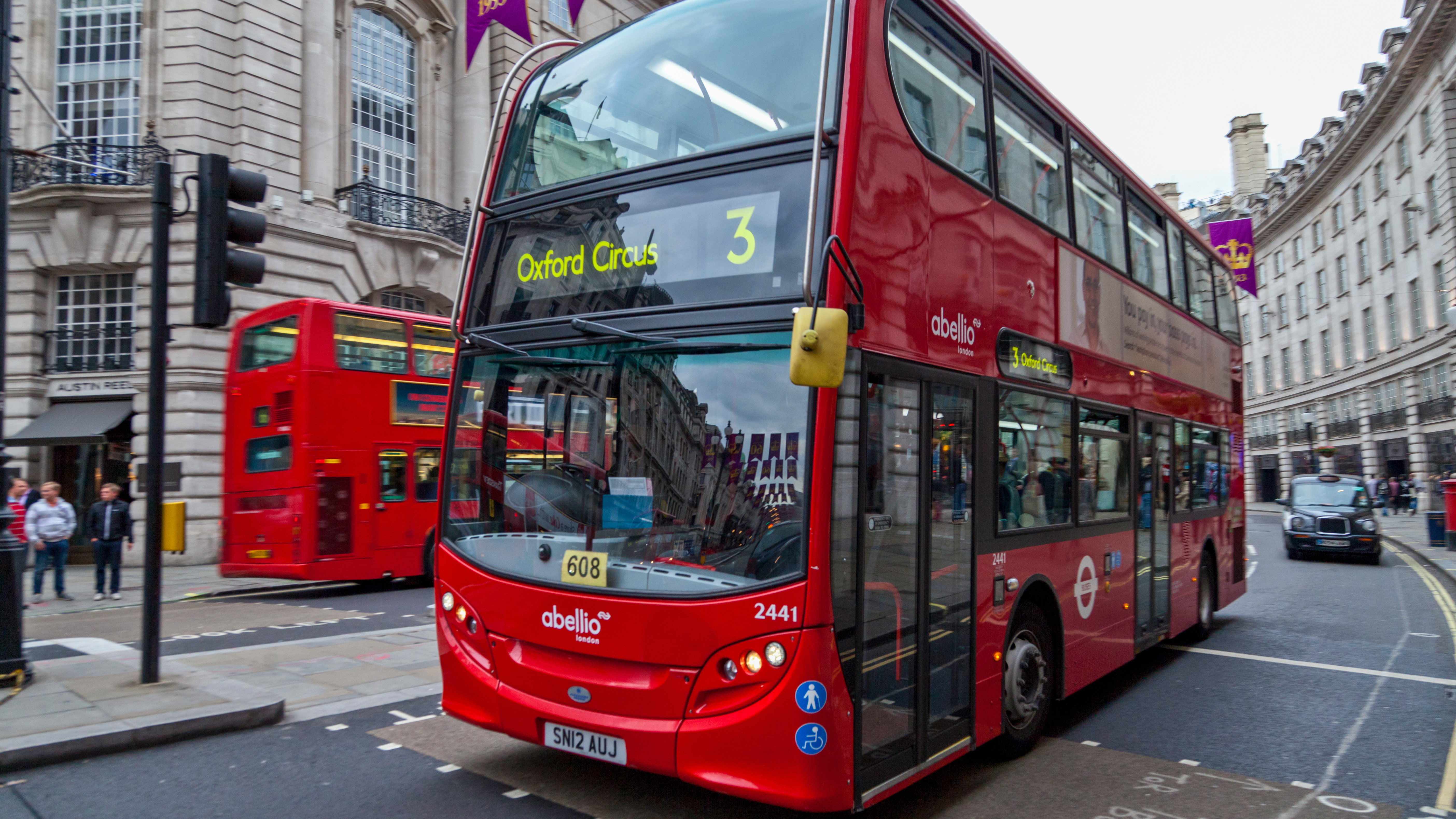
Transportation expenses can escalate quickly without planning.
Public Transit Over Taxis
Cities with strong metro and bus systems—such as those documented by local tourism boards—offer affordable day passes and weekly transit cards.
Rail Passes
For multi-country European travel, the Eurail pass can reduce overall transport costs compared to individual ticket purchases.
Budget Buses
Companies such as FlixBus and regional operators offer cross-border travel at significantly lower prices than flights.
5. Managing Food Expenses Abroad
Food can either inflate or minimize travel budgets depending on approach.
Eat Where Locals Eat
Avoid restaurants in heavily touristed areas. Local neighborhoods typically offer authentic meals at lower prices.
Use Grocery Stores
Purchasing breakfast items, snacks, and simple meals from supermarkets reduces daily costs.
Street Food
In many countries, street vendors offer safe, affordable, and culturally rich dining options.
According to guidance from the Centers for Disease Control and Prevention (CDC), choosing busy food stalls and properly cooked meals reduces health risks while enjoying local cuisine.
6. Travel Insurance: A Non-Negotiable Expense
Skipping travel insurance may seem like a cost-saving tactic, but it can lead to significant financial risk.
The U.S. Department of State strongly recommends international travel insurance covering:
- Medical emergencies
- Trip cancellations
- Lost baggage
- Evacuation coverage
Basic travel insurance plans are typically affordable compared to potential emergency costs.
7. Saving Money Before the Trip
Budget travel begins long before departure.
Create a Dedicated Travel Fund
Setting aside a fixed monthly amount builds a travel cushion over time.
Use Travel Reward Credit Cards Responsibly
Some financial institutions offer airline miles or points redeemable for flights and hotels. Responsible use—paying balances in full—maximizes benefits without incurring interest.
Track Expenses
Budget tracking tools such as Mint help monitor spending patterns before and during travel.
Budget Travel Strategy Comparison Table
| Strategy | Estimated Savings | Effort Level | Risk Level | Best For |
|---|---|---|---|---|
| Booking 2–3 months early | Moderate to High | Low | Low | Most travelers |
| Using flight alerts | Moderate | Low | Low | Flexible planners |
| Staying in hostels | High | Medium | Low | Solo travelers |
| Cooking meals | Moderate | Medium | Low | Long stays |
| Traveling off-season | High | Medium | Low | Flexible schedules |
| Using rail/bus passes | Moderate | Medium | Low | Multi-city trips |
| Staying outside city center | Moderate | Low | Low | Urban travelers |
8. Traveling During Off-Peak Seasons
Airfare and accommodation costs drop significantly during shoulder seasons.
Examples:
- Europe: April–May and September–October
- Southeast Asia: Avoid peak holiday months
- Caribbean: Late spring often cheaper than winter
Fewer crowds also enhance the travel experience.
9. Visa Planning and Entry Requirements
Visa fees and documentation errors can create unexpected costs.
Travelers should consult official embassy websites or resources like the International Air Transport Association (IATA) Travel Centre for updated entry requirements.
Some countries offer:
- Visa-free entry
- Visa on arrival
- E-visa systems
Applying early prevents costly last-minute changes.
10. Free and Low-Cost Activities Abroad

International travel does not require expensive tours.
Affordable activities include:
- Free walking tours (tip-based)
- Public parks and scenic viewpoints
- Free museum days
- Local cultural festivals
- Self-guided city explorations
Tourism board websites often list free attractions and discount passes.
11. Currency Exchange and Payment Strategies
Currency exchange mistakes can quietly increase expenses.
Avoid Airport Exchanges
Airport exchange counters typically offer less favorable rates.
Use International Debit Cards
Banks often provide better exchange rates than physical kiosks.
Inform Your Bank Before Travel
Pre-travel notifications reduce the risk of card blocks abroad.
Monitoring exchange rates before departure helps determine optimal withdrawal timing.
12. Long-Term Budget Travel Tactics
For extended international stays:
- Slow travel (staying longer in fewer places) reduces transport costs.
- Monthly rental discounts significantly lower accommodation expenses.
- Volunteer exchange programs may offer lodging in exchange for skills.
However, verify legitimacy and visa compliance before participating in work-exchange arrangements.
Frequently Asked Questions (FAQ)
How much money is needed for low-budget international travel?
The amount varies by destination. In lower-cost countries, daily expenses may range between $25–$50 excluding flights. In higher-cost regions, $60–$100 per day may be more realistic.
Is travel insurance necessary for short trips?
Yes. Even short trips carry medical or logistical risks. Insurance coverage prevents major unexpected expenses.
Are budget airlines safe?
Yes. Budget airlines are regulated under the same aviation safety standards as full-service carriers. Reduced costs stem from fewer included services, not reduced safety.
What is the cheapest way to access the internet abroad?
Local SIM cards are typically more affordable than international roaming. Many airports sell prepaid SIM options.
Does booking round-trip save money?
Often, yes. However, comparing one-way fares across multiple airlines may occasionally reveal cheaper combinations.
Is it better to exchange money before departure?
Exchanging a small amount for immediate expenses is helpful, but using ATMs abroad often provides better exchange rates.
How far in advance should accommodation be booked?
For peak seasons, 1–2 months in advance is recommended. Off-season travel may allow flexible, last-minute bookings.
Final Thoughts: Smart Planning Makes Global Travel Affordable
International travel on a low budget is not about cutting corners or compromising safety. It is about understanding systems, comparing options, and making informed decisions. Affordable airfare, budget accommodation, public transportation, strategic destination choices, and mindful daily spending collectively reduce financial pressure.
Careful preparation allows travelers to experience new cultures, cuisines, landscapes, and perspectives without unnecessary financial strain. Modern tools, transparent pricing, and global connectivity have made budget international travel more achievable than ever before.
The path to affordable global exploration begins with research, thoughtful budgeting, and strategic planning. With the right approach, international travel becomes not a distant dream—but a practical and attainable goal.