

Modern professional life often revolves around long meetings, tight deadlines, endless emails, and hours spent sitting in front of a screen. According to the World Health Organization, physical inactivity is one of the leading risk factors for global mortality, and prolonged sitting is associated with increased risk of cardiovascular disease, obesity, and metabolic disorders. For busy professionals, the challenge is not a lack of awareness about health — it’s a lack of time and structure.
This guide presents a simple, sustainable daily fitness routine designed specifically for professionals with demanding schedules. It focuses on efficiency, consistency, and evidence-based strategies that support long-term health, productivity, and mental clarity.
Why Busy Professionals Need a Structured Daily Fitness Routine
Time scarcity often leads to skipped workouts. However, research from the Centers for Disease Control and Prevention shows that adults need at least 150 minutes of moderate-intensity aerobic activity per week, plus muscle-strengthening activities on two or more days.
For professionals who work 8–12 hour days, the solution lies in:
- Short, structured sessions
- Compound movements
- Habit stacking
- Active breaks
- Realistic scheduling
Fitness is not about spending hours in the gym. It is about strategic movement integrated into daily life.
The Science Behind Short, Effective Workouts
Many assume that meaningful fitness gains require long gym sessions. Research published by institutions such as Harvard Medical School indicates that even 10–20 minute sessions of moderate to vigorous activity can significantly improve cardiovascular health and metabolic function when performed consistently.
High-intensity interval training (HIIT), brisk walking, and bodyweight circuits stimulate:
- Improved insulin sensitivity
- Enhanced cardiovascular capacity
- Increased muscular endurance
- Better stress regulation
The key principle: Intensity and consistency matter more than duration.
The 30-Minute Daily Fitness Framework
This structured routine fits into a typical weekday schedule and requires no expensive equipment.
1. Morning Activation (5–7 Minutes)

The goal is to wake up the nervous system, increase circulation, and improve joint mobility.
Routine:
- 30 seconds jumping jacks
- 10 bodyweight squats
- 10 arm circles (forward and backward)
- 10 hip circles
- 30-second plank
Dynamic stretching is recommended over static stretching in the morning, as noted by the American Council on Exercise, because it better prepares the body for activity.
Benefits:
- Reduces stiffness
- Improves posture
- Enhances mental alertness
- Increases daily energy levels
2. Midday Micro-Workout (10–15 Minutes)
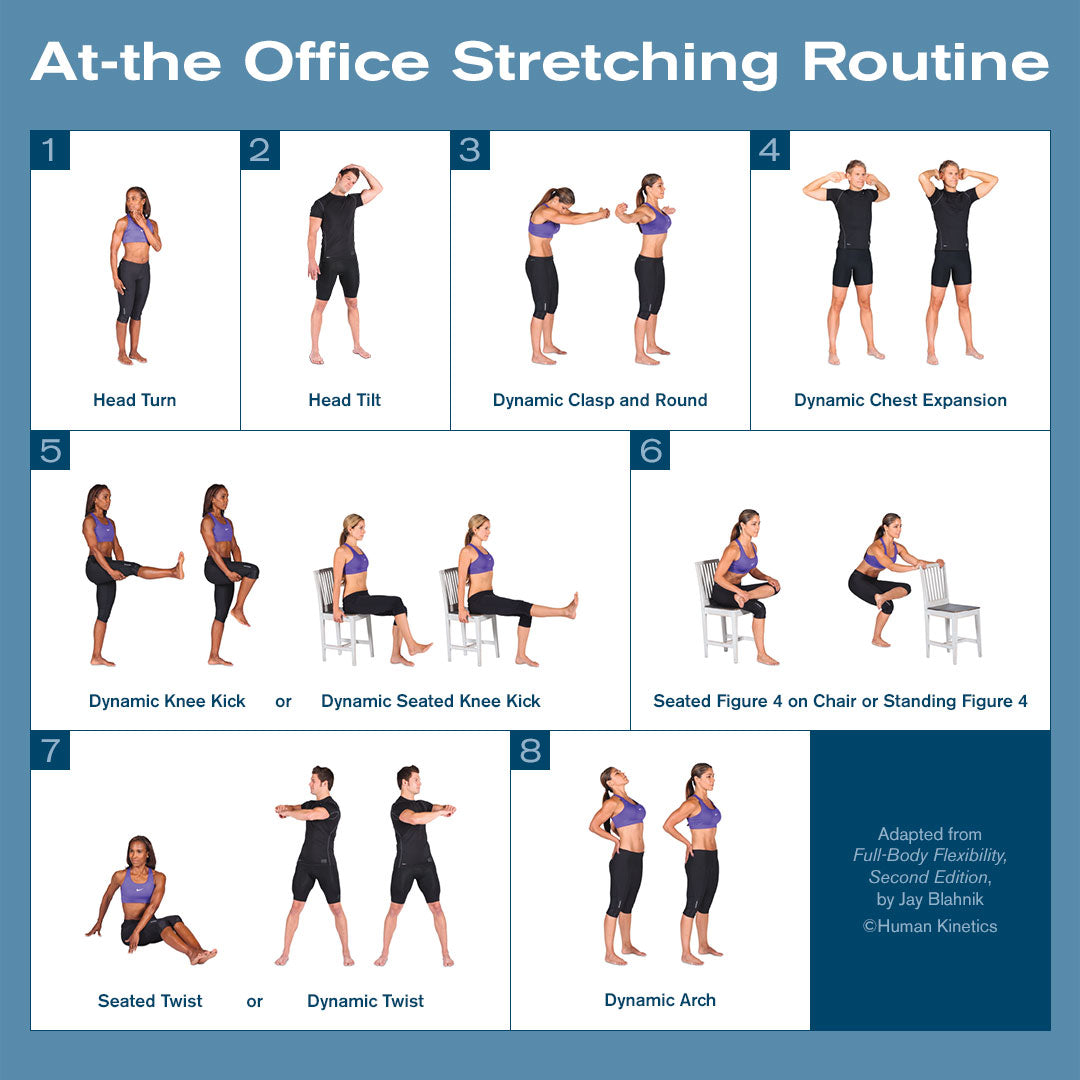
A short midday session counters prolonged sitting. The Mayo Clinic emphasizes that breaking up sitting time improves metabolic health.
Office-Friendly Circuit (Repeat 2–3 Rounds):
- 10 desk or floor push-ups
- 12 walking lunges
- 30-second wall sit
- 20 mountain climbers
- 30-second brisk stair climb or hallway walk
Rest for 30 seconds between rounds.
This session:
- Elevates heart rate
- Engages major muscle groups
- Boosts afternoon focus
- Reduces lower back discomfort
3. Evening Strength and Conditioning (10–15 Minutes)

Evening sessions reinforce muscle strength and stress relief.
Bodyweight Strength Flow:
- 15 squats
- 10 push-ups
- 15 glute bridges
- 30-second plank
- 30 seconds high knees
Repeat 2–3 rounds.
According to the National Institutes of Health, muscle-strengthening activities improve bone density, metabolic rate, and long-term mobility.
Weekly Structure for Sustainable Progress
Consistency requires structure. Here is a balanced weekly approach:
| Day | Focus Area | Intensity Level |
|---|---|---|
| Monday | Full Body Strength | Moderate |
| Tuesday | Cardio + Core | Moderate-High |
| Wednesday | Mobility & Stretch | Light |
| Thursday | Strength + HIIT | High |
| Friday | Cardio Intervals | Moderate |
| Saturday | Optional Outdoor Walk | Light |
| Sunday | Active Recovery | Very Light |
This approach aligns with recommendations from the American Heart Association, which suggests mixing aerobic and resistance training throughout the week.
Attractive Comparison Table: Short Daily Routine vs Traditional Long Gym Sessions
| Factor | Short Daily Routine | Traditional 1–2 Hour Gym Session |
|---|---|---|
| Time Commitment | 20–30 minutes | 60–120 minutes |
| Consistency Rate | Higher for busy professionals | Often inconsistent |
| Accessibility | Can be done anywhere | Requires travel |
| Equipment | Minimal or none | Often equipment-based |
| Energy Requirement | Moderate | High |
| Sustainability | Highly sustainable | Harder long-term |
For professionals with limited availability, short structured workouts deliver superior adherence and long-term results.
The Role of Walking in a Busy Professional’s Routine

Walking remains one of the most underrated forms of exercise. A study highlighted by the British Heart Foundation shows that brisk walking significantly lowers heart disease risk.
Practical walking strategies:
- 10-minute post-meal walks
- Walking meetings
- Parking farther away
- Taking stairs instead of elevators
A daily target of 7,000–10,000 steps supports cardiovascular health and calorie expenditure.
Strength Training Without Equipment
Bodyweight training activates multiple muscle groups simultaneously.
Effective compound exercises:
- Squats
- Push-ups
- Lunges
- Planks
- Burpees
The Cleveland Clinic explains that resistance training improves metabolic health and reduces risk of chronic disease.
For professionals who travel frequently, bodyweight training eliminates excuses and logistical barriers.
Managing Stress Through Fitness
Work-related stress directly impacts sleep, focus, and hormonal balance. Physical activity reduces cortisol levels and increases endorphins.
The American Psychological Association confirms that exercise improves mood and cognitive function.
Short workouts:
- Improve mental clarity
- Enhance productivity
- Reduce burnout risk
- Improve sleep quality
Incorporating exercise before or after work helps separate professional stress from personal time.
Nutrition and Hydration for Energy
Exercise works best when supported by proper nutrition.
Key guidelines:
- Prioritize protein for muscle repair
- Include complex carbohydrates for energy
- Stay hydrated throughout the day
- Avoid excessive processed snacks
The Academy of Nutrition and Dietetics emphasizes balanced meals containing lean protein, whole grains, vegetables, and healthy fats.
Busy professionals benefit from:
- Meal prepping
- Keeping healthy snacks at work
- Drinking water consistently
Common Mistakes Busy Professionals Make
- Waiting for “free time” that never comes
- Skipping warm-ups
- Overtraining on weekends
- Ignoring recovery
- Setting unrealistic goals
Sustainable fitness relies on small, daily improvements rather than occasional extreme efforts.
Frequently Asked Questions (FAQ)
1. Is 20–30 minutes of exercise really enough?
Yes. When structured properly and performed consistently, short workouts meet weekly activity guidelines and improve cardiovascular and muscular health.
2. What is the best time to exercise?
The best time is the one that fits consistently into a schedule. Morning sessions improve alertness, while evening sessions relieve stress.
3. Can weight loss happen with short workouts?
Yes, especially when combined with balanced nutrition and daily movement like walking.
4. Do busy professionals need supplements?
Most individuals can meet nutritional needs through whole foods. Supplements should only be considered after consulting a qualified healthcare professional.
5. How can motivation be maintained?
Habit formation works better than motivation. Scheduling workouts like meetings increases adherence.
Practical Implementation Plan
To begin immediately:
- Schedule 20–30 minutes daily in a calendar
- Start with bodyweight exercises
- Track steps and activity
- Focus on consistency over intensity
- Adjust gradually every 4 weeks
Within 30 days, improvements typically include:
- Increased energy
- Better posture
- Improved sleep
- Reduced stress
Conclusion: Fitness as a Professional Advantage
Physical fitness is not a luxury reserved for those with flexible schedules. It is a strategic asset that supports performance, clarity, and long-term health. A simple daily routine built around short activation sessions, strength training, walking, and structured weekly planning creates sustainable progress without overwhelming busy schedules.
Professionals who prioritize consistent movement often experience enhanced productivity, sharper decision-making, and improved resilience under pressure. Health compounds over time. Small daily efforts, performed consistently, yield substantial long-term results.
A structured 20–30 minute daily routine is not just manageable — it is transformative. By integrating movement into daily life rather than treating it as an afterthought, busy professionals build a foundation for sustainable success in both career and personal well-being.